
Bed bug infestations pose a significant problem in many homes. These pests thrive in warm, dark environments and can spread quickly through travel and second-hand items.
Understanding their behavior is essential for effective management. Among various eradication methods, heat treatment stands out for its efficiency and safety.
This approach not only eliminates all life stages of bed bugs but also minimizes the need for harsh chemicals. What implications does this hold for homeowners facing infestations?
How can one detect the presence of bed bugs in their home? The first signs often include small, reddish-brown stains on bedding, which result from bed bug excrement. Additionally, individuals may notice tiny, white eggs or shed skins in crevices around mattresses and bed frames. An unmistakable indicator is the presence of live bugs, typically found in dark, secluded areas.
Another telltale sign is the appearance of bites on the skin, usually in clusters or lines. These bites can cause itching and discomfort. A musty odor, reminiscent of coriander, may also signal an infestation.
Frequent inspections of furniture, carpets, and luggage can help identify these pests early. Early detection is essential to preventing a more extensive infestation, making awareness of these signs vital for homeowners. By keeping a vigilant eye, one can take timely action to address potential bed bug problems.
What drives bed bug infestations, and why should they be a concern? Bed bugs, primarily nocturnal insects, thrive in environments where they can easily access human hosts for blood meals. Factors contributing to infestations include increased travel, the second-hand furniture market, and inadequate pest control measures.
These pests are resilient, capable of surviving long periods without food, which allows them to establish themselves in various settings. Concerns surrounding bed bug infestations extend beyond mere discomfort. Their presence can lead to psychological distress, sleep disturbances, and a sense of violation in one's personal space.
Additionally, the process of eradicating bed bugs can be time-consuming and costly, often requiring professional intervention. The stigma attached to infestations can also affect social interactions and property values. Understanding these causes and concerns is essential for effective prevention and management of bed bug issues.
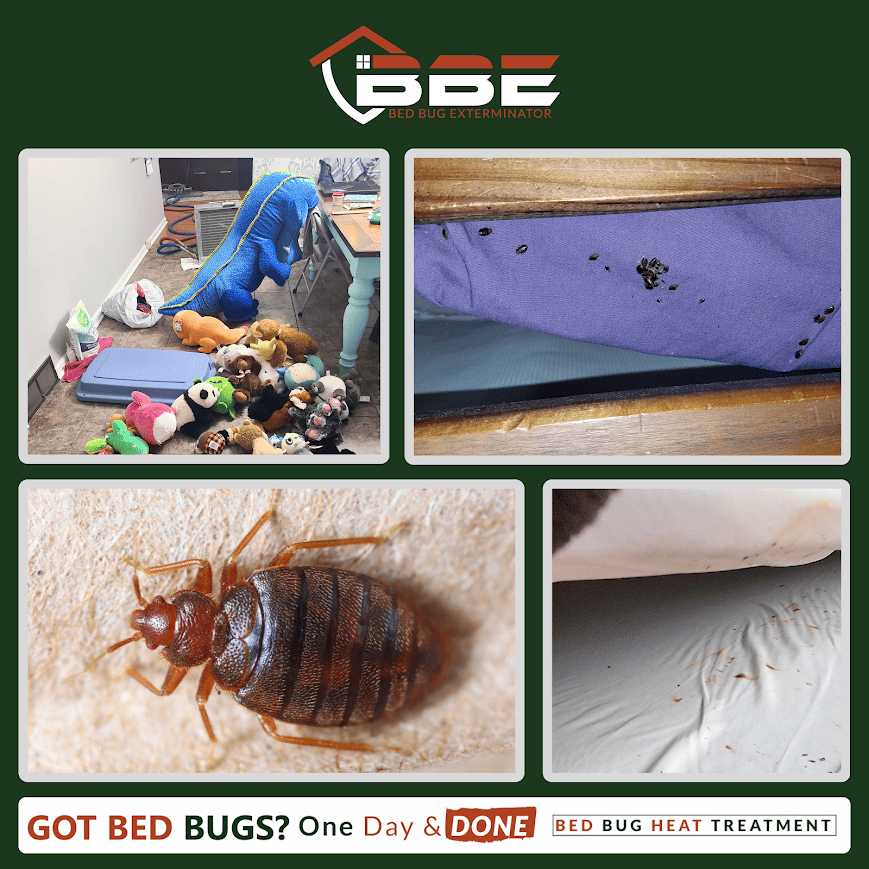
Bed bugs are adept at spreading and multiplying within homes, often taking advantage of human activities and everyday environments. These pests primarily hitch rides on clothing, luggage, or used furniture, allowing them to infiltrate new spaces unnoticed. Once they establish themselves, bed bugs can reproduce rapidly; a single female can lay hundreds of eggs in her lifetime.
They thrive in warm, dark areas close to their food source-humans. Common hiding spots include mattresses, box springs, and cracks in walls or furniture. The presence of clutter provides additional harborage, making detection and elimination more challenging.
As people move about their homes, bed bugs can easily migrate from one room to another, exacerbating the infestation. Their resilience and ability to survive without feeding for extended periods further complicate efforts to control their population, making awareness and early detection essential in preventing widespread infestations.
While traditional pest control methods often struggle against resilient bed bug populations, heat treatment has emerged as a highly effective solution. This method relies on raising the temperature of infested areas to levels lethal to bed bugs, typically between 120°F and 140°F.
At these temperatures, all life stages of bed bugs, including eggs, nymphs, and adults, are targeted, ensuring thorough eradication. Heat treatment works by penetrating furniture, walls, and other hiding spots, allowing for effective treatment in even the most concealed locations. The process is environmentally friendly, avoiding the use of harmful chemicals that can pose health risks.
Additionally, it often requires a single application, greatly reducing the time and cost associated with multiple chemical treatments. By leveraging the principles of thermal dynamics, heat treatment provides a reliable and sustainable approach to managing bed bug infestations effectively.

When comparing heat treatment to traditional pest control methods, it becomes clear that each approach has distinct advantages and disadvantages. Heat treatment effectively eradicates bed bugs by raising temperatures to lethal levels, ensuring that all life stages, including eggs, are eliminated. This method is chemical-free, making it safer for occupants and pets.
However, it often requires specialized equipment and may necessitate evacuating the premises for several hours. In contrast, traditional pest control methods, such as chemical insecticides, may be more accessible and less costly initially. However, they often involve multiple treatments and may leave behind residues that could pose health risks.
Additionally, bed bugs can develop resistance to certain chemicals, complicating eradication efforts. Ultimately, the choice between heat treatment and traditional methods depends on specific infestation circumstances, personal preferences, and cost considerations. Each method has its place in effective bed bug management.
Regular inspections and monitoring play an essential role in preventing future bed bug infestations, as they allow for early detection and prompt intervention. Property owners and managers should establish a routine inspection schedule, focusing on high-risk areas such as bedrooms, living rooms, and common spaces.
Utilizing trained professionals can enhance the effectiveness of these inspections, ensuring that even the smallest signs of bed bugs are identified. Additionally, employing monitoring devices, such as bed bug traps, can provide ongoing surveillance and alert individuals to potential infestations.
Maintaining a proactive approach not only helps in early identification but also fosters peace of mind among residents. Consistent monitoring ultimately contributes to a thorough pest management strategy, minimizing the risk of recurrent infestations.
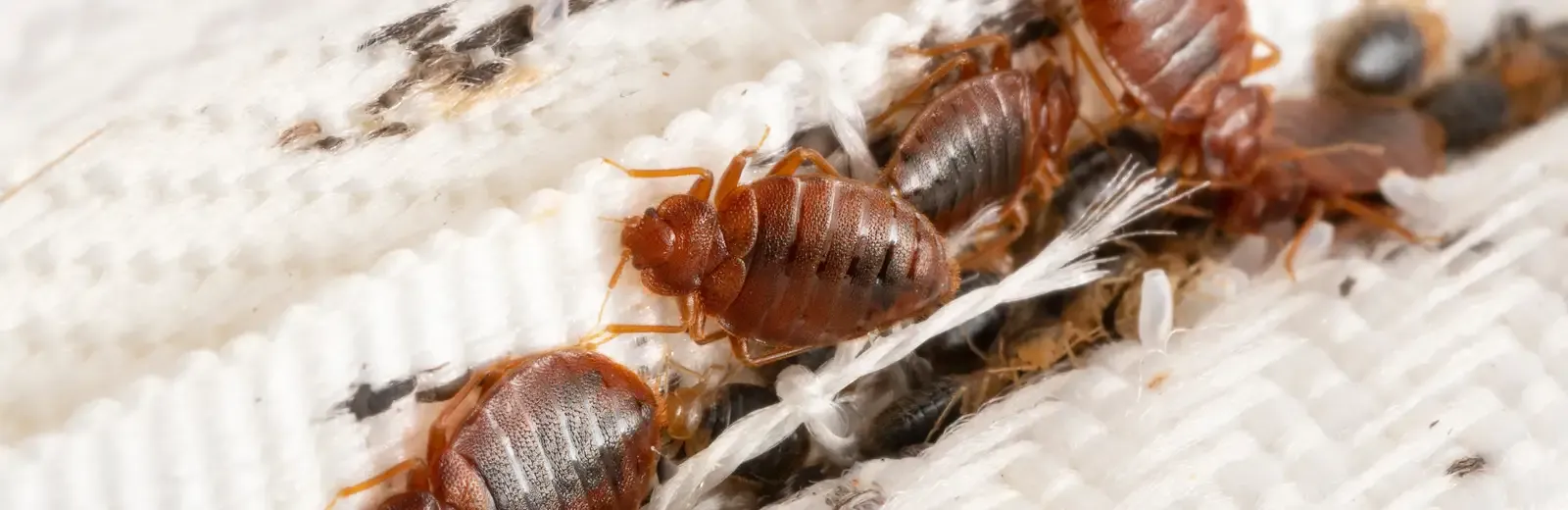
Success can be determined through post-treatment inspections, observing a lack of new bites, and checking for live bed bugs or eggs. Monitoring environmental conditions and seeking professional evaluations also contribute to evaluating treatment effectiveness.
Safety concerns with heat treatment include potential damage to belongings, risk of fire, and effects on sensitive electronics. Proper precautions and professional guidance are essential to guarantee effective and safe implementation of the heat treatment process.
Signs indicating a bed bug infestation include small reddish-brown bugs, dark spots on bedding, shed exoskeletons, and bite marks on the skin. Frequent unexplained itching or waking with bites also suggests their presence.